
The Monsoon Is Gone. Is Your Roof Really in the Clear?
A hairline crack in exterior stucco rarely looks urgent. Let monsoon runoff sit against it for a season, though, and that same crack can work its way toward your framing before anyone notices. Tucson's summer storms bring dramatic skies, fast-moving washes, and a narrow window for rental property owners to catch damage before it turns into a five-figure repair. This guide walks through the roof, yard, drainage, and HVAC checks that matter most once the rain stops, drawing on the hands-on maintenance experience WealthWise Realty & Management, LLC brings to landlords across Tucson and the surrounding valley.
Key Takeaways
Inspect immediately, not eventually. Hidden roof and stucco damage worsens quickly once Tucson's dry heat returns and bakes small cracks into bigger ones.
Roofs and exterior walls take the hardest hits. Wind-lifted flashing, cracked elastomeric coating, and swollen caulking are the top culprits behind leaks.
Drainage failures cause the most expensive repairs. Clogged scuppers and shifted grading push water toward your foundation instead of away from it.
Landscaping needs a reset, not just a glance. Displaced rock, storm-damaged limbs, and broken drip lines are easy to miss but easy to fix early.
HVAC systems need attention now. Heavy dust storms combined with monsoon humidity strain outdoor units and clog filters fast.
Roof and Exterior Checks
Tucson's monsoon season, which the National Weather Service defines as running from mid-June through the end of September, hits the parts of your property facing the sky and the street hardest: the roof and the exterior walls.
Inspecting the Roof Deck and Parapets
High winds during monsoon season can lift roof tile, crack elastomeric coating, and pull flashing loose around parapet walls. Walk the roof, or have it inspected, before desert heat sets in and bakes small cracks into bigger gaps.
What it means: A cracked coating or lifted flashing left untreated through a Tucson summer can let water travel along the roof deck for months before a tenant ever reports a stain inside. By then, the plywood sheathing underneath may already need replacing.
Real-world example: One Tucson landlord who skipped a post-monsoon roof check found, by winter, that a small flashing gap near a parapet wall had let water travel nearly ten feet across the roof deck, soaking insulation no one noticed until a ceiling stain finally appeared.
Checking Stucco and Seals
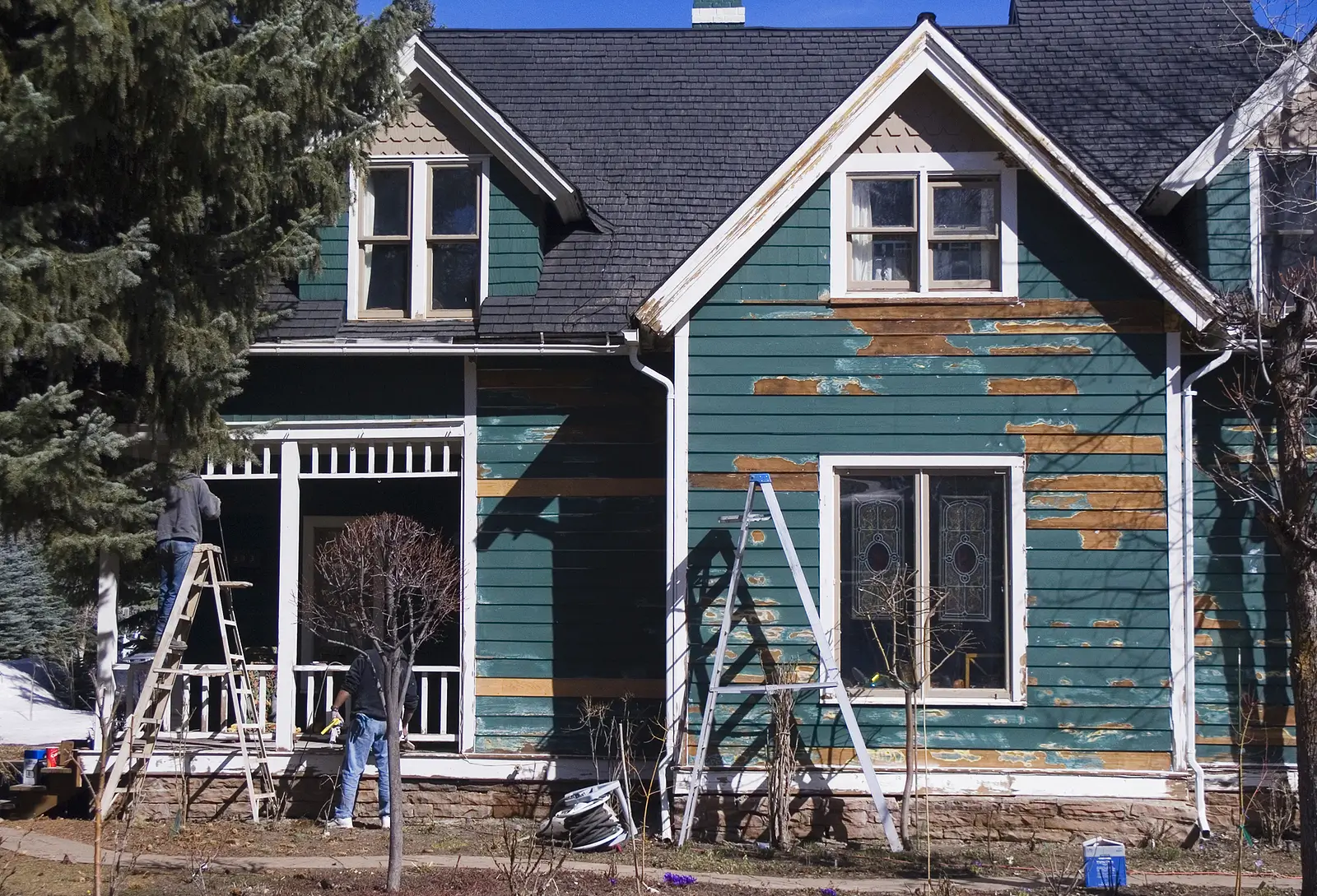
Walk the exterior perimeter looking for hairline cracks in the stucco and caulking around windows and doors that have swollen or pulled away from moisture exposure. These small gaps are often where water first works into the wall assembly.
What it means: Stucco cracks widen with every temperature swing between Tucson's hot afternoons and cooler monsoon evenings, so a crack ignored one season is often a bigger repair the next.
Clearing Scuppers and Scupper Boxes
Flat-roofed Tucson homes rely on scuppers to move water off the roof. After monsoon season, these openings are frequently packed with leaves, silt, and shingle debris that block runoff and cause pooling. Clearing them is one of the simplest, most cost-effective post-monsoon tasks a landlord can schedule, and it's one our maintenance team handles regularly for owners who'd rather not climb a ladder themselves.
Yard and Drainage Recovery
Water that has nowhere to go doesn't just look bad; it's a leading driver of foundation damage across the region, according to Pima County's own flood control division.
Examining Landscape Grading
After a season of downpours, confirm that grading around the foundation still slopes water away from the house rather than letting it collect against exterior walls. Displaced grading is one of the top causes of slow, expensive foundation damage on Tucson rentals.
What it means: Once water starts pooling against a foundation wall, moisture can wick upward into stucco and interior baseboards long before it's visible from the yard.
Resetting Gravel and Decomposed Granite
Heavy rain often washes decomposed granite and landscape rock into bare drainage paths, or away from them entirely. Raking and repositioning displaced rock restores both the property's curb appeal and its ability to channel water properly during the next storm.
Evaluating Trees and Shrubs
Native trees like palo verdes and mesquites are built for the desert, but heavy monsoon winds can still cause root lift or leave storm-damaged limbs hanging. A quick trim now prevents a fallen branch from becoming a liability issue later, and keeps the property looking cared-for for prospective tenants.
Testing Irrigation Systems
Heavy downpours can knock drip line timers out of sync, expose lateral lines, or snap fittings altogether. Testing the system now, rather than waiting for a tenant complaint about dead landscaping, protects both curb appeal and your water bill. For owners managing several properties, our Tucson property management team can fold these checks into routine inspections.
HVAC and Interior Assessment
Cleaning Outdoor AC Units
Monsoon dust storms coat outdoor condenser units in dirt and debris that restrict airflow and strain the system. A gentle hose-down after the season clears the buildup without damaging the coils, and it's a small step that can meaningfully extend the unit's working life.
Replacing HVAC Filters
Between dust storms and high humidity, filters take a beating over a Tucson summer. Swapping them out immediately after monsoon season keeps the system running efficiently and helps prevent the kind of strain that leads to mid-lease breakdowns and emergency repair calls.
Checking for Interior Water Stains
Ceiling or baseboard water stains are often the first visible clue that a roof or exterior seal has failed weeks earlier. Trace any stain back to its likely exterior entry point before simply patching the drywall; otherwise, the same leak tends to reappear the following season.
What it means: Patching a stain without finding the source is a temporary fix. For rental owners, that often means paying for the same repair twice.
Real-world example: One rental showed a small water stain near a bedroom ceiling corner that traced back to a clogged scupper two rooms away, a five-minute fix that resolved a problem the previous owner had painted over twice.
Frequently Asked Questions
How soon after monsoon season should I inspect my Tucson rental property?
Ideally within the first few weeks after the rain tapers off, typically by early-to-mid October. Catching damage early prevents a small issue like a stucco crack or clogged scupper from turning into a structural repair over the dry winter months.
Can I handle post-monsoon maintenance myself, or should I hire a professional?
Simple tasks like clearing scuppers or resetting landscape rock are manageable for many owners. Roof inspections, stucco repairs, and HVAC servicing tend to go faster and hold up better when coordinated through a full-service property management team that already has vetted vendors on call.
What's the biggest post-monsoon mistake Tucson landlords make?
Waiting. Many owners assume a small stain or hairline crack can wait until a scheduled turnover inspection. By then, moisture has often traveled well beyond its original entry point, turning a minor repair into a costly one.
Protect Your Investment Before the Next Storm Season Rolls In
Tucson's monsoon leaves more behind than dramatic sunsets. It leaves small vulnerabilities in roofs, stucco, drainage, and HVAC systems that only grow more expensive the longer they go unchecked. A thorough end-of-season inspection now protects both your property's value and your tenants' comfort well before next summer's storms arrive.
WealthWise Realty & Management, LLC has helped Tucson-area landlords catch and resolve this exact kind of seasonal damage for years, backed by our service guarantees. If you'd rather not climb the ladder yourself, contact us at 520.303.7004 or schedule a free property consultation, and let our maintenance team handle the inspection for you.